Meal planning does not have to be complicated or time-consuming. With a few simple strategies, you can set yourself up for a week of healthy, balanced eating without the daily stress of figuring out what to cook.
Why Meal Planning Works
When you plan your meals ahead of time, you are more likely to make nutritious choices, save money on groceries, reduce food waste, and spend less time in the kitchen during busy weekdays. It removes the guesswork and helps you stay consistent with your nutrition goals.
Getting Started: The Basics
- Pick one day per week to plan and prep (Sunday works well for most people)
- Start simple – plan just 3-4 dinners for the week and build from there
- Choose recipes that share common ingredients to simplify your grocery list
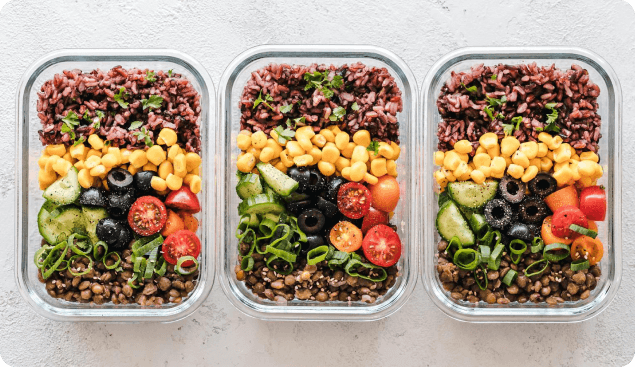
- Prep ingredients in bulk: wash and chop vegetables, cook grains, and portion proteins
Building a Balanced Plate
Each meal should include three key components:
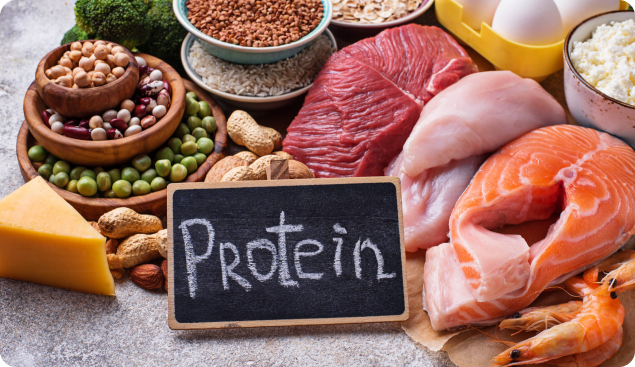
- A protein source (chicken, fish, eggs, tofu, beans)
- Vegetables or fruit (aim for color and variety)
- A complex carbohydrate (brown rice, sweet potato, whole grain pasta, quinoa)
Add healthy fats like olive oil, avocado, or nuts to round out the meal.
Meal Prep Tips for Beginners
- Use clear containers so you can see what is inside
- Label containers with the day or meal
- Cook proteins and grains in large batches
- Keep healthy snacks prepped and accessible
- Do not aim for perfection – even partial prep saves time and stress
The goal is not to meal prep like a professional chef. It is to make healthy eating easier so you can focus on the things that matter most to you.